
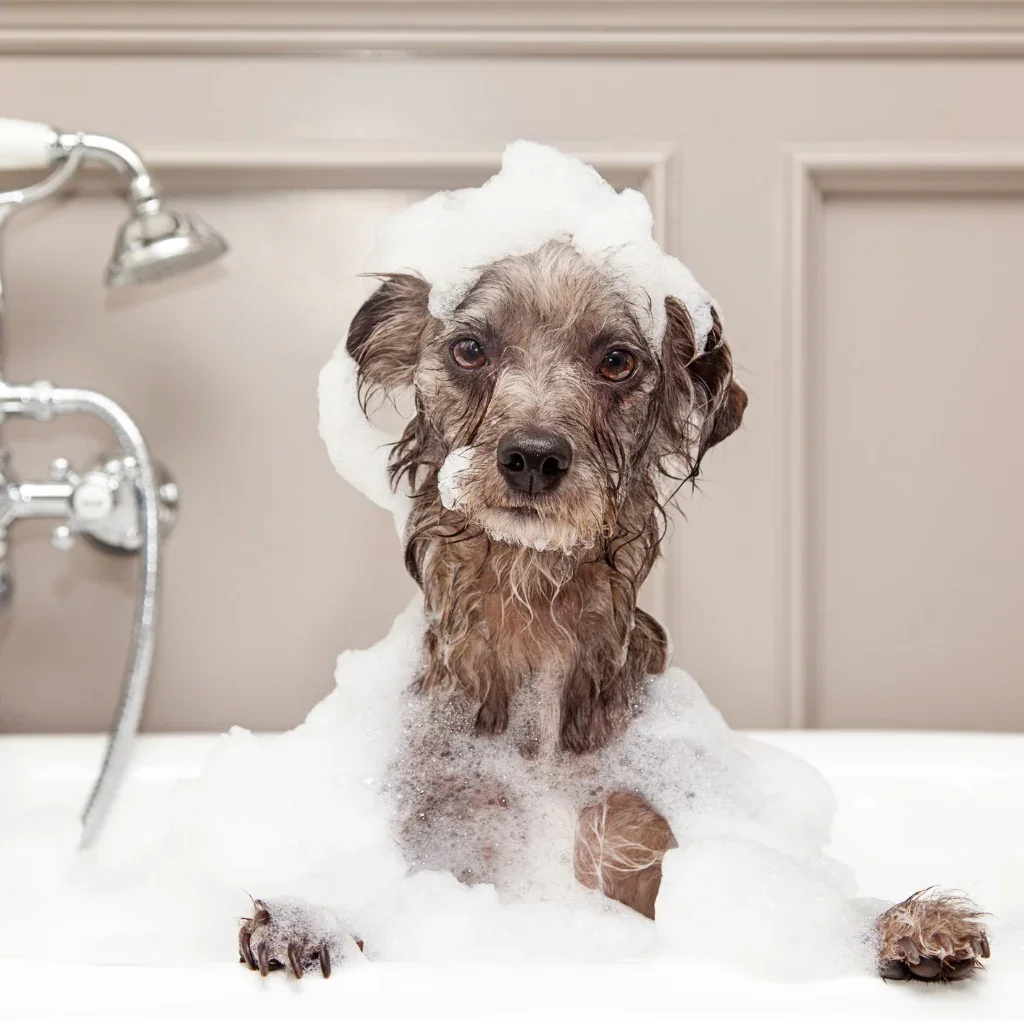
Western Wag Grooming Guide
The Purpose of Grooming
grooming is about much more than making dogs look nice. Regular grooming helps:
Maintain healthy skin and coat
Prevent painful matting
Reduce shedding
Detect skin abnormalities early
Keep ears, nails, and paws healthy
Improve comfort and mobility
Strengthen trust between the groomer, dog, and owner
Coat Types & Grooming Needs
Smooth Coat
Examples: Labrador Retriever, Boxer, Beagle, Pit Bull
Grooming Needs
Bath every 4–8 weeks
Brush weekly to remove loose hair
Ear cleaning as needed
Nail trim every 3–6 weeks
Curly & Doodle Coats
Examples: Goldendoodle, Labradoodle, Poodle, Bernedoodle
Grooming Needs
Professional groom every 6–8 weeKs
Daily brushing and combing at home
Face, feet, and sanitary trims between full grooms as needed
Nail trim every 3–6 weeks
Ear cleaning/check at every grooming appointment (many doodles are prone to ear issues due to hair growth in the ear canal)
Silky Coat
Examples: Yorkie, Maltese, Shih Tzu
Grooming Needs
Professional groom every 4–6 weeks
Daily brushing
Face & Sanitary trims As needed
Nail trim every 3–6 weeks
Ear cleaning as needed
Double Coat
Examples: Golden Retriever, Husky, German Shepherd, Australian Shepherd, Corgi
Grooming Needs
Bath every 6–8 weeks
Thorough brushing 2–4 times per week
Professional deshedding every 6–10 weeks
Bath before deshedding for best results
Nail trim every 3–6 weeks
Ear cleaning as needed
Paw pad trim if necessary
NAIL CARE
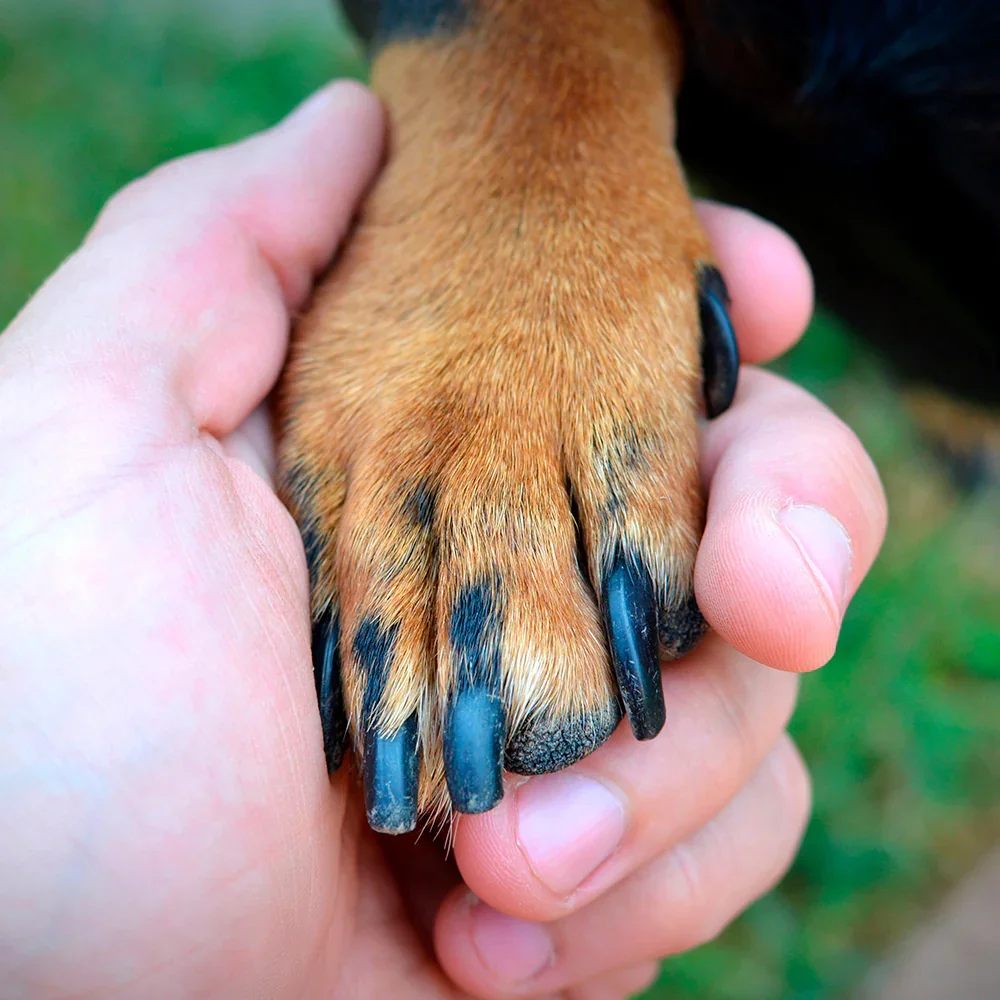
Routine nail trims are essential for all dogs, regardless of breed or coat type.
Most dogs need a trim every 3–6 weeks
Long nails can affect posture, gait, and joint health
If you hear nails clicking on hard floors, it's likely time for a trim
EAR CARE
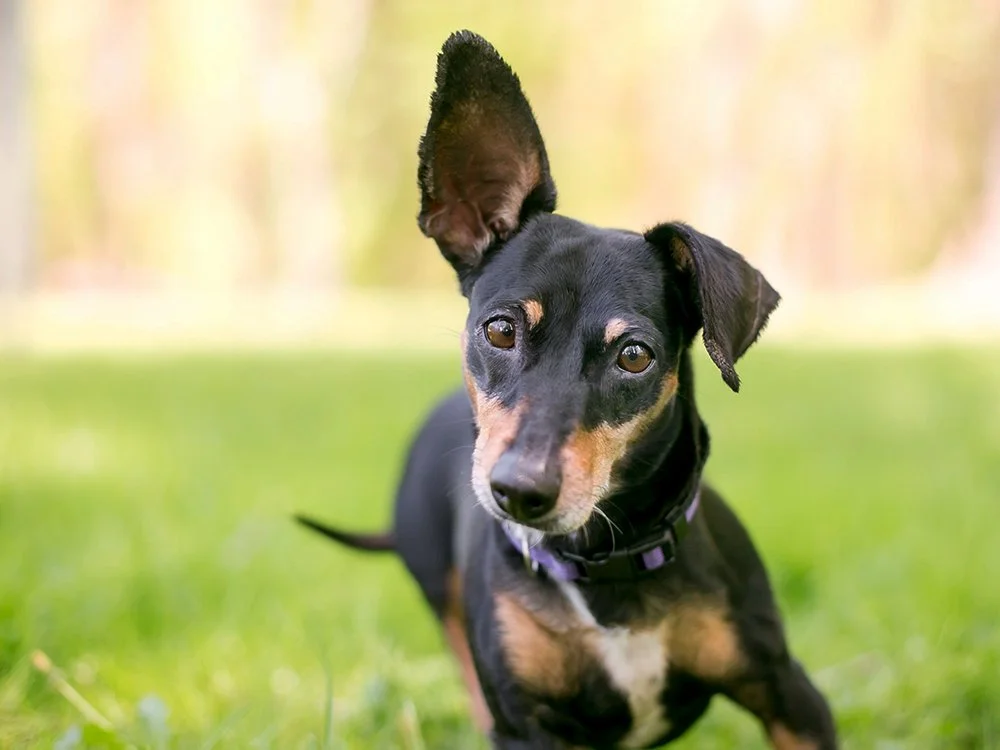
Every dog's ears should be checked regularly during grooming.
Look for:
Redness
odor
excess wax
swelling
discharge
Some breeds—particularly doodles, poodles, spaniels, and other floppy-eared dogs—may require more frequent ear cleaning due to moisture and hair growth that can contribute to infections.